
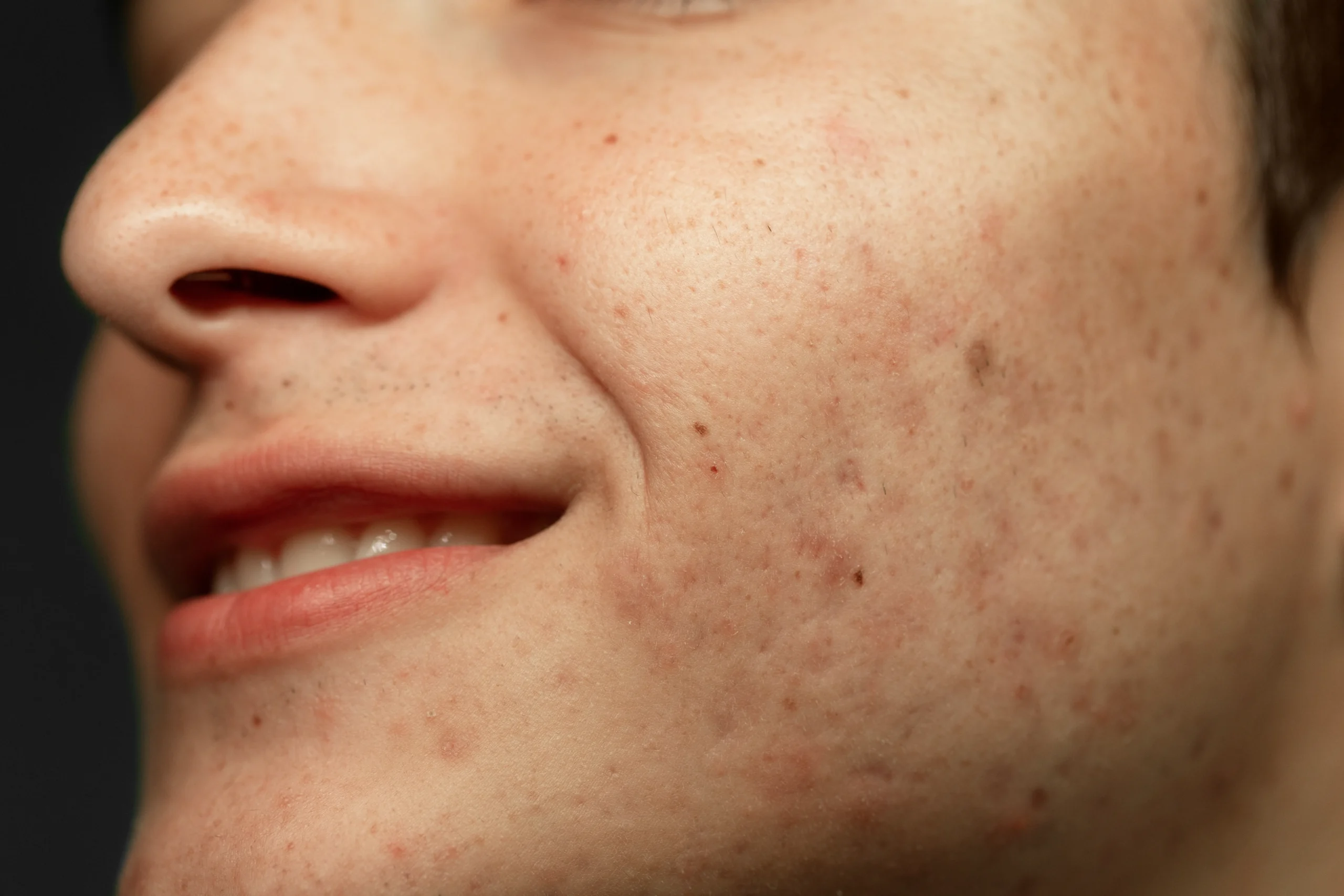
Melasma vs Hyperpigmentation: Differences and Treatments
Skin pigmentation concerns are among the most common reasons people visit a dermatologist. Two terms you may often hear are melasma and hyperpigmentation. While they are related, they are not the same. Understanding melasma vs hyperpigmentation is essential to choosing the right treatment and achieving clearer, more even-toned skin.
In this guide, we’ll break down the difference between melasma and hyperpigmentation, explain their causes, and explore the most effective treatment options available today.
What Is Hyperpigmentation?
To begin, let’s understand the hyperpigmentation meaning. Hyperpigmentation refers to any condition where patches of skin become darker than the surrounding area due to excess melanin production. This can happen anywhere on the body but is most commonly seen on the face.
Common causes of hyperpigmentation include sun exposure, acne scars, inflammation, hormonal changes, and certain medications. Because it is a broad term, hyperpigmentation can appear in different forms such as sunspots, post-inflammatory marks, and freckles.
When considering hyperpigmentation treatment, dermatologists typically assess the underlying cause before recommending solutions. Treatments may include topical creams, chemical peels, laser therapies, and advanced hyperpigmentation face treatment options tailored to individual skin types.
What Is Melasma?
A common question patients ask is what is melasma. Melasma is a specific type of hyperpigmentation that usually appears as brown or grayish patches, primarily on the face. It commonly affects areas like the cheeks, forehead, upper lip, and nose.
Unlike general hyperpigmentation, melasma is strongly linked to hormonal changes. It is often seen during pregnancy, while taking oral contraceptives, or due to hormonal imbalances. Sun exposure can further worsen the condition.
Because melasma is more complex, it requires a targeted melasma treatment approach. Understanding what is melasma helps patients recognize why it can be more persistent and prone to recurrence compared to other pigmentation issues.
Melasma vs Hyperpigmentation: Key Differences
Understanding melasma vs hyperpigmentation helps in selecting the right course of action. While both conditions involve dark patches, the difference between melasma and hyperpigmentation lies in their causes, appearance, and treatment response.
- Cause
Hyperpigmentation can result from sun damage, acne, or injury. Melasma, on the other hand, is primarily triggered by hormonal changes and sun exposure. - Appearance
Hyperpigmentation may appear as small, isolated dark spots or patches anywhere on the body. Melasma typically presents as symmetrical patches on the face. - Location
Hyperpigmentation can occur on the face, hands, or body. Melasma is usually limited to facial areas. - Treatment Response
Hyperpigmentation treatment is often more straightforward and responds well to topical and procedural treatments. Melasma treatment requires a more cautious and consistent approach, as it tends to recur.
Recognizing the difference between melasma and hyperpigmentation ensures that patients do not use incorrect treatments that may worsen the condition.
Causes of Melasma and Hyperpigmentation
When discussing melasma vs hyperpigmentation, it is important to understand their triggers.
Causes of hyperpigmentation:
- Sun exposure
- Acne scars
- Skin inflammation
- Aging
- Certain medications
Causes of melasma:
- Hormonal changes
- Pregnancy
- Birth control pills
- Sun exposure
- Genetic predisposition
Both conditions can worsen with UV exposure, making sun protection essential for prevention and management.
Treatment Options for Hyperpigmentation
Choosing the right hyperpigmentation treatment depends on the cause and severity. Common options include:
Topical treatments
These include ingredients like vitamin C, retinoids, kojic acid, and niacinamide, which help lighten dark spots.
Chemical peels
Chemical exfoliation helps remove the top layer of pigmented skin, making hyperpigmentation face treatment more effective.
Laser therapy
Advanced laser treatments target melanin deposits and improve skin tone.
Medical facials
Customized dermatological facials can support ongoing hyperpigmentation treatment and enhance results.
A dermatologist will recommend a personalized hyperpigmentation face treatment plan for best outcomes.
Treatment Options for Melasma
Because melasma is more stubborn, melasma treatment requires a combination approach.
Topical medications
Prescription creams containing hydroquinone, retinoids, or azelaic acid are often used.
Chemical peels
Superficial peels may help reduce pigmentation gradually.
Laser and light therapies
These are used cautiously, as aggressive treatments can sometimes worsen melasma.
Sun protection
This is the most important step in any melasma treatment plan.
If you are searching for the best treatment for melasma on face, it is essential to consult a dermatologist who can customize therapies based on your skin type and severity.
Best Treatment for Melasma on Face
Finding the best treatment for melasma on face involves a combination of medical treatments and lifestyle changes. There is no one-size-fits-all solution, but consistent care can significantly improve the condition.
Dermatologists often recommend:
- Combination topical therapy
- Regular chemical peels
- Strict sunscreen use
- Maintenance treatments
The best treatment for melasma on face is one that is tailored, gentle, and consistent over time.
Prevention Tips for Healthy Skin
Whether dealing with melasma vs hyperpigmentation, prevention plays a key role.
- Use broad-spectrum sunscreen daily
- Avoid excessive sun exposure
- Follow a dermatologist-recommended skincare routine
- Avoid picking or irritating the skin
- Maintain a healthy diet and hydration
These steps can help reduce the risk of recurrence and improve overall skin health.
Frequently Asked Questions
- What is the main difference between melasma and hyperpigmentation?
The difference between melasma and hyperpigmentation lies in their cause. Melasma is hormone-related, while hyperpigmentation has multiple causes like sun exposure and acne. - Can melasma go away permanently?
Melasma can improve significantly with proper melasma treatment, but it may recur if triggers like sun exposure are not controlled. - What is the best treatment for melasma on face?
The best treatment for melasma on face usually includes topical medications, sun protection, and professional treatments guided by a dermatologist. - Is hyperpigmentation easier to treat than melasma?
Yes, hyperpigmentation treatment is generally more responsive compared to melasma, which can be more persistent. - What is hyperpigmentation meaning in simple terms?
Hyperpigmentation meaning refers to dark patches on the skin caused by excess melanin production. - Can I treat hyperpigmentation at home?
Mild cases may improve with over-the-counter products, but professional hyperpigmentation face treatment is recommended for faster and safer results. - Does sunscreen help both conditions?
Yes, sunscreen is essential for managing both melasma vs hyperpigmentation and preventing worsening.
Why Choose Us?
Choose Derma360 as your trusted destination for advanced skin, hair, and nail care. We combine expert dermatological knowledge with a patient-first approach to deliver personalized treatments for acne, pigmentation, hair loss, anti-aging concerns, and more. Our focus is on providing safe, evidence-based solutions using modern technology in a comfortable and caring environment. We believe in clear guidance, transparent communication, and long-term skin health — so you feel confident at every step of your journey.
To learn more or book a consultation, contact us at 9920126628 or visit https://derma360.in/
Citations
https://www.aad.org/public/diseases/a-z/melasma-overview
https://www.ncbi.nlm.nih.gov/pmc/articles/PMC5574741/
https://www.aad.org/public/diseases/a-z/dark-spots-causes
https://dermnetnz.org/topics/melasma