
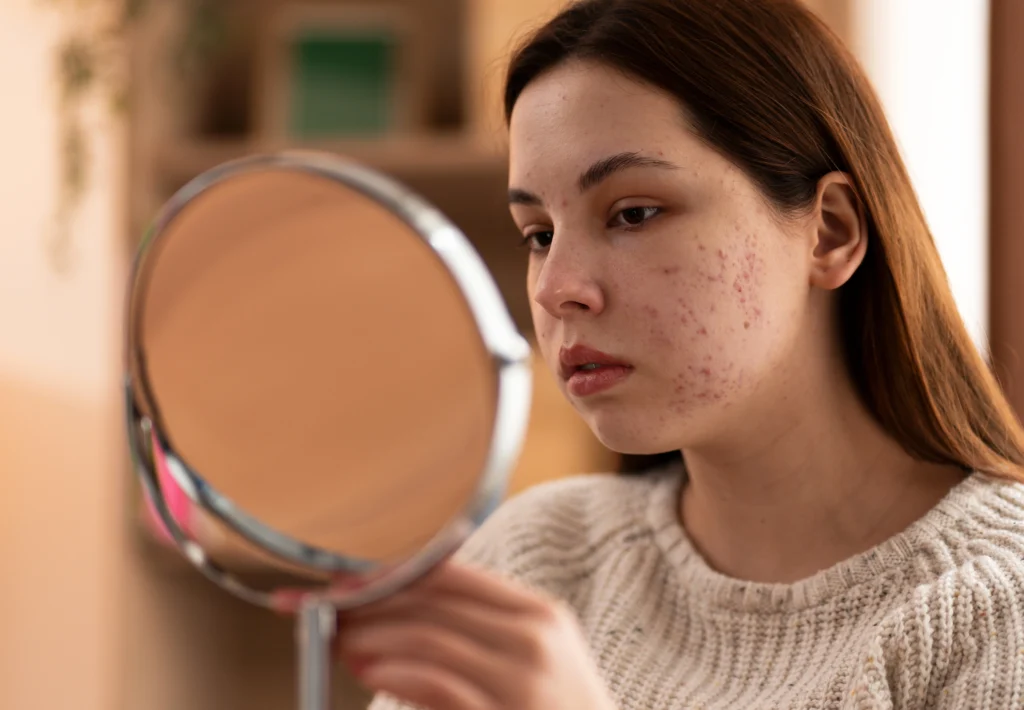
Acne and Acne Scar Treatment: What Really Works
Acne is one of the most common skin concerns affecting teenagers and adults alike. While many people believe it is just a temporary phase, acne can have lasting effects on both the skin and self-confidence. For some, the breakouts fade with time. For others, acne scars remain long after the active lesions have healed. Understanding what truly works for acne and acne scars is the first step toward clearer, healthier skin.
Understanding Acne and Its Root Causes
Acne develops when hair follicles become clogged with oil (sebum), dead skin cells, and bacteria. Hormonal fluctuations, stress, diet, genetics, and improper skincare habits can all contribute to breakouts. The Causes of acne often vary from person to person, which is why treatment must be tailored individually.
Common Causes of acne include:
- Excess oil production
- Hormonal changes during puberty, pregnancy, or PCOS
- Use of comedogenic skincare products
- Bacterial growth in clogged pores
- Genetic predisposition
Identifying the causes of acne is essential because treating only the surface symptoms may not provide long-term relief. At a dermatology clinic, a detailed evaluation helps determine the specific causes of acne in each patient.
Types of Acne
Acne can appear in different forms, including whiteheads, blackheads, papules, pustules, nodules, and cysts. Mild acne may consist of occasional breakouts, while moderate to severe acne can involve painful cystic lesions. Severe cases increase the risk of permanent acne scars, especially if lesions are picked or squeezed.
Early intervention is crucial. The longer acne persists, the greater the chances of developing acne scars that require more advanced procedures to treat.
What Causes Acne Scars?
Acne scars develop when inflammation from acne damages the deeper layers of the skin. When the body attempts to repair this damage, it may produce too much or too little collagen. This leads to either depressed scars (atrophic acne scars) or raised scars (hypertrophic acne scars).
Repeated or untreated acne significantly increases the likelihood of acne scars. Deep cystic breakouts are particularly associated with long-lasting acne scars. Addressing acne promptly reduces the risk of permanent skin texture changes.
Effective Acne Treatment Options
There is no one-size-fits-all Acne treatment. The right approach depends on the severity of acne, skin type, and underlying Causes of acne.
1. Topical Treatments
Prescription creams and gels containing retinoids, benzoyl peroxide, or antibiotics are commonly used as first-line Acne treatment. These help reduce inflammation, unclog pores, and prevent new acne from forming.
2. Oral Medications
For moderate to severe acne, oral antibiotics or isotretinoin may be recommended. These treatments target deeper inflammation and control oil production.
3. Chemical Peels
Medical-grade chemical peels exfoliate the skin and reduce active acne while improving mild acne scars. They help remove dead skin cells and promote collagen production.
4. Laser and Light Therapies
Laser treatments are effective for both active acne and acne scars. They reduce bacteria, minimize inflammation, and stimulate collagen remodeling for smoother skin.
5. PRP and Microneedling
Microneedling combined with PRP is widely used to improve acne scars. It stimulates natural collagen production and gradually reduces the appearance of acne scars over multiple sessions.
Professional Acne treatment focuses not only on clearing current breakouts but also on preventing recurrence and minimizing long-term damage.
What Really Works for Acne Scars?
Treating acne scars requires a customized approach based on scar type and severity.
Microneedling
Microneedling is highly effective for atrophic acne scars. It creates micro-injuries in the skin that trigger collagen production, improving skin texture over time.
Fractional Laser Resurfacing
Laser resurfacing helps remodel damaged tissue and significantly reduces acne scars. It is particularly beneficial for deeper scars.
Dermal Fillers
Temporary fillers can be used for specific types of acne scars to create a smoother appearance.
Because acne scars differ in depth and structure, a combination approach often provides the best results.
Can Acne and Acne Scars Be Prevented?
Prevention plays a major role in long-term skin health. Since the Causes of acne often involve hormones and genetics, complete prevention may not always be possible. However, early Acne treatment significantly lowers the risk of acne scars.
Tips to prevent acne scars:
- Avoid picking or squeezing acne
- Seek early dermatological care
- Follow a prescribed Acne treatment plan consistently
- Use sunscreen daily to prevent darkening of acne scars
Consistent medical care reduces the severity of acne and minimizes permanent skin damage.
When Should You See a Dermatologist?
If acne is painful, persistent, or leaving marks, it is time to consult a specialist. Over-the-counter products may help mild cases, but moderate to severe acne requires professional Acne treatment. Early medical care prevents worsening acne scars and addresses the underlying Causes of acne effectively.
FAQs
-
Can acne go away on its own?
Mild acne may improve over time, but persistent or severe acne often requires professional evaluation to prevent acne scars.
-
Are acne scars permanent?
Many acne scars can be significantly improved with treatments like microneedling, lasers, and chemical peels.
-
What is the best Acne treatment for severe acne?
Oral medications such as isotretinoin are often recommended for severe acne under medical supervision.
-
How long does it take to see results from Acne treatment?
Most Acne treatment plans show improvement within 6 to 8 weeks, though results vary depending on severity.
-
Do chemical peels help acne scars?
Yes, certain medical peels can reduce superficial acne scars and improve skin texture.
-
Is laser safe for acne scars?
When performed by a qualified dermatologist, laser treatments are safe and effective for reducing acne scars.
-
Can hormonal imbalance cause acne?
Yes, hormonal changes are among the common Causes of acne, especially in women.
Why Choose Us?
Choose Derma360 as your trusted destination for advanced skin, hair, and nail care. We combine expert dermatological knowledge with a patient-first approach to deliver personalized treatments for acne, pigmentation, hair loss, anti-aging concerns, and more. Our focus is on providing safe, evidence-based solutions using modern technology in a comfortable and caring environment. We believe in clear guidance, transparent communication, and long-term skin health — so you feel confident at every step of your journey. To learn more or book a consultation, contact us at 9920126628 or visit https://derma360.in/
Citations
- American Academy of Dermatology Association – Acne: Overview, Causes & Treatment
https://www.aad.org/public/diseases/acne - Mayo Clinic – Acne Symptoms and Causes
https://www.mayoclinic.org/diseases-conditions/acne - American Academy of Dermatology – Acne Scars: Diagnosis and Treatment
https://www.aad.org/public/diseases/acne/derm-treat/scars