Dermatologist

Melasma vs Hyperpigmentation: Differences and Treatments

Melasma vs Hyperpigmentation: Differences and Treatments

Skin pigmentation concerns are among the most common reasons people visit a dermatologist. Two terms you may often hear are melasma and hyperpigmentation. While they are related, they are not the same. Understanding melasma vs hyperpigmentation is essential to choosing the right treatment and achieving clearer, more even-toned skin.

In this guide, we’ll break down the difference between melasma and hyperpigmentation, explain their causes, and explore the most effective treatment options available today.

What Is Hyperpigmentation?

To begin, let’s understand the hyperpigmentation meaning. Hyperpigmentation refers to any condition where patches of skin become darker than the surrounding area due to excess melanin production. This can happen anywhere on the body but is most commonly seen on the face.

Common causes of hyperpigmentation include sun exposure, acne scars, inflammation, hormonal changes, and certain medications. Because it is a broad term, hyperpigmentation can appear in different forms such as sunspots, post-inflammatory marks, and freckles.

When considering hyperpigmentation treatment, dermatologists typically assess the underlying cause before recommending solutions. Treatments may include topical creams, chemical peels, laser therapies, and advanced hyperpigmentation face treatment options tailored to individual skin types.

What Is Melasma?

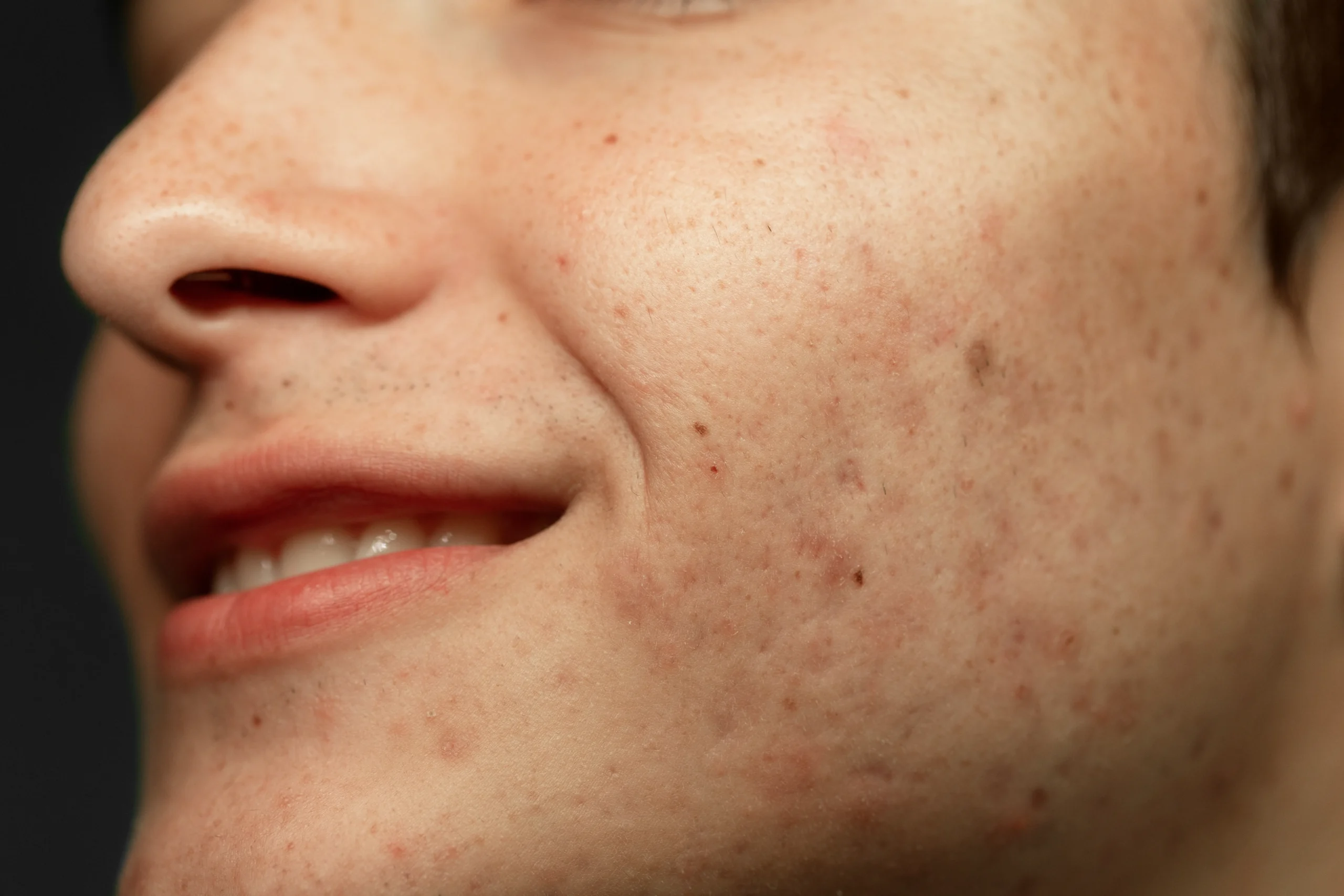
A common question patients ask is what is melasma. Melasma is a specific type of hyperpigmentation that usually appears as brown or grayish patches, primarily on the face. It commonly affects areas like the cheeks, forehead, upper lip, and nose.

Unlike general hyperpigmentation, melasma is strongly linked to hormonal changes. It is often seen during pregnancy, while taking oral contraceptives, or due to hormonal imbalances. Sun exposure can further worsen the condition.

Because melasma is more complex, it requires a targeted melasma treatment approach. Understanding what is melasma helps patients recognize why it can be more persistent and prone to recurrence compared to other pigmentation issues.

Melasma vs Hyperpigmentation: Key Differences

Understanding melasma vs hyperpigmentation helps in selecting the right course of action. While both conditions involve dark patches, the difference between melasma and hyperpigmentation lies in their causes, appearance, and treatment response.

  1. Cause
    Hyperpigmentation can result from sun damage, acne, or injury. Melasma, on the other hand, is primarily triggered by hormonal changes and sun exposure.
  2. Appearance
    Hyperpigmentation may appear as small, isolated dark spots or patches anywhere on the body. Melasma typically presents as symmetrical patches on the face.
  3. Location
    Hyperpigmentation can occur on the face, hands, or body. Melasma is usually limited to facial areas.
  4. Treatment Response
    Hyperpigmentation treatment is often more straightforward and responds well to topical and procedural treatments. Melasma treatment requires a more cautious and consistent approach, as it tends to recur.

Recognizing the difference between melasma and hyperpigmentation ensures that patients do not use incorrect treatments that may worsen the condition.

Causes of Melasma and Hyperpigmentation

When discussing melasma vs hyperpigmentation, it is important to understand their triggers.

Causes of hyperpigmentation:

  • Sun exposure
  • Acne scars
  • Skin inflammation
  • Aging
  • Certain medications

Causes of melasma:

  • Hormonal changes
  • Pregnancy
  • Birth control pills
  • Sun exposure
  • Genetic predisposition

Both conditions can worsen with UV exposure, making sun protection essential for prevention and management.

Treatment Options for Hyperpigmentation

Choosing the right hyperpigmentation treatment depends on the cause and severity. Common options include:

Topical treatments
These include ingredients like vitamin C, retinoids, kojic acid, and niacinamide, which help lighten dark spots.

Chemical peels
Chemical exfoliation helps remove the top layer of pigmented skin, making hyperpigmentation face treatment more effective.

Laser therapy
Advanced laser treatments target melanin deposits and improve skin tone.

Medical facials
Customized dermatological facials can support ongoing hyperpigmentation treatment and enhance results.

A dermatologist will recommend a personalized hyperpigmentation face treatment plan for best outcomes.

Treatment Options for Melasma

Because melasma is more stubborn, melasma treatment requires a combination approach.

Topical medications
Prescription creams containing hydroquinone, retinoids, or azelaic acid are often used.

Chemical peels
Superficial peels may help reduce pigmentation gradually.

Laser and light therapies
These are used cautiously, as aggressive treatments can sometimes worsen melasma.

Sun protection
This is the most important step in any melasma treatment plan.

If you are searching for the best treatment for melasma on face, it is essential to consult a dermatologist who can customize therapies based on your skin type and severity.

Best Treatment for Melasma on Face

Finding the best treatment for melasma on face involves a combination of medical treatments and lifestyle changes. There is no one-size-fits-all solution, but consistent care can significantly improve the condition.

Dermatologists often recommend:

  • Combination topical therapy
  • Regular chemical peels
  • Strict sunscreen use
  • Maintenance treatments

The best treatment for melasma on face is one that is tailored, gentle, and consistent over time.

Prevention Tips for Healthy Skin

Whether dealing with melasma vs hyperpigmentation, prevention plays a key role.

  • Use broad-spectrum sunscreen daily
  • Avoid excessive sun exposure
  • Follow a dermatologist-recommended skincare routine
  • Avoid picking or irritating the skin
  • Maintain a healthy diet and hydration

These steps can help reduce the risk of recurrence and improve overall skin health.

Frequently Asked Questions

  1. What is the main difference between melasma and hyperpigmentation?
    The difference between melasma and hyperpigmentation lies in their cause. Melasma is hormone-related, while hyperpigmentation has multiple causes like sun exposure and acne.
  2. Can melasma go away permanently?
    Melasma can improve significantly with proper melasma treatment, but it may recur if triggers like sun exposure are not controlled. 
  3. What is the best treatment for melasma on face?
    The best treatment for melasma on face usually includes topical medications, sun protection, and professional treatments guided by a dermatologist. 
  4. Is hyperpigmentation easier to treat than melasma?
    Yes, hyperpigmentation treatment is generally more responsive compared to melasma, which can be more persistent. 
  5. What is hyperpigmentation meaning in simple terms?
    Hyperpigmentation meaning refers to dark patches on the skin caused by excess melanin production. 
  6. Can I treat hyperpigmentation at home?
    Mild cases may improve with over-the-counter products, but professional hyperpigmentation face treatment is recommended for faster and safer results. 
  7. Does sunscreen help both conditions?
    Yes, sunscreen is essential for managing both melasma vs hyperpigmentation and preventing worsening.

Why Choose Us?

Choose Derma360 as your trusted destination for advanced skin, hair, and nail care. We combine expert dermatological knowledge with a patient-first approach to deliver personalized treatments for acne, pigmentation, hair loss, anti-aging concerns, and more. Our focus is on providing safe, evidence-based solutions using modern technology in a comfortable and caring environment. We believe in clear guidance, transparent communication, and long-term skin health — so you feel confident at every step of your journey.
To learn more or book a consultation, contact us at 9920126628 or visit https://derma360.in/

Citations

https://www.aad.org/public/diseases/a-z/melasma-overview
https://www.ncbi.nlm.nih.gov/pmc/articles/PMC5574741/
https://www.aad.org/public/diseases/a-z/dark-spots-causes
https://dermnetnz.org/topics/melasma
Laser Hair Removal in Mumbai: Cost, Procedure & What to Expect

Laser Hair Removal in Mumbai: Cost, Procedure & What to Expect

Unwanted body hair is a common concern for both men and women, often leading to frequent shaving, waxing, or threading. While these methods provide temporary results, many people today are opting for laser hair removal as a long-term solution. If you’ve been searching for laser hair removal near me or exploring the best laser hair removal in mumbai, this guide will help you understand everything you need to know—from the laser hair removal procedure to pricing and expected results.

What is Laser Hair Removal?

Laser hair removal is a non-invasive cosmetic treatment that uses concentrated light energy to target hair follicles. The pigment in the hair absorbs this light, which damages the follicle and reduces future hair growth. Over multiple sessions, this leads to finer, lighter, and significantly reduced hair.

Unlike traditional methods, laser hair removal offers longer-lasting results and smoother skin, making it a popular choice among individuals seeking convenience and effectiveness.

Why is Laser Hair Removal Popular in Mumbai?

Mumbai’s fast-paced lifestyle makes low-maintenance grooming solutions highly desirable. Many people searching for laser hair removal near me prefer treatments that save time and deliver lasting results. Clinics offering the best laser hair removal in mumbai use advanced technology suited for Indian skin tones, ensuring both safety and effectiveness.

Additionally, the humid climate can make waxing and shaving uncomfortable, further increasing the demand for laser hair removal treatments.

Laser Hair Removal Procedure: What to Expect

Understanding the laser hair removal procedure can help ease any concerns before starting treatment.

  1. Consultation
    A dermatologist evaluates your skin type, hair type, and medical history to determine the most suitable treatment plan.
  2. Preparation
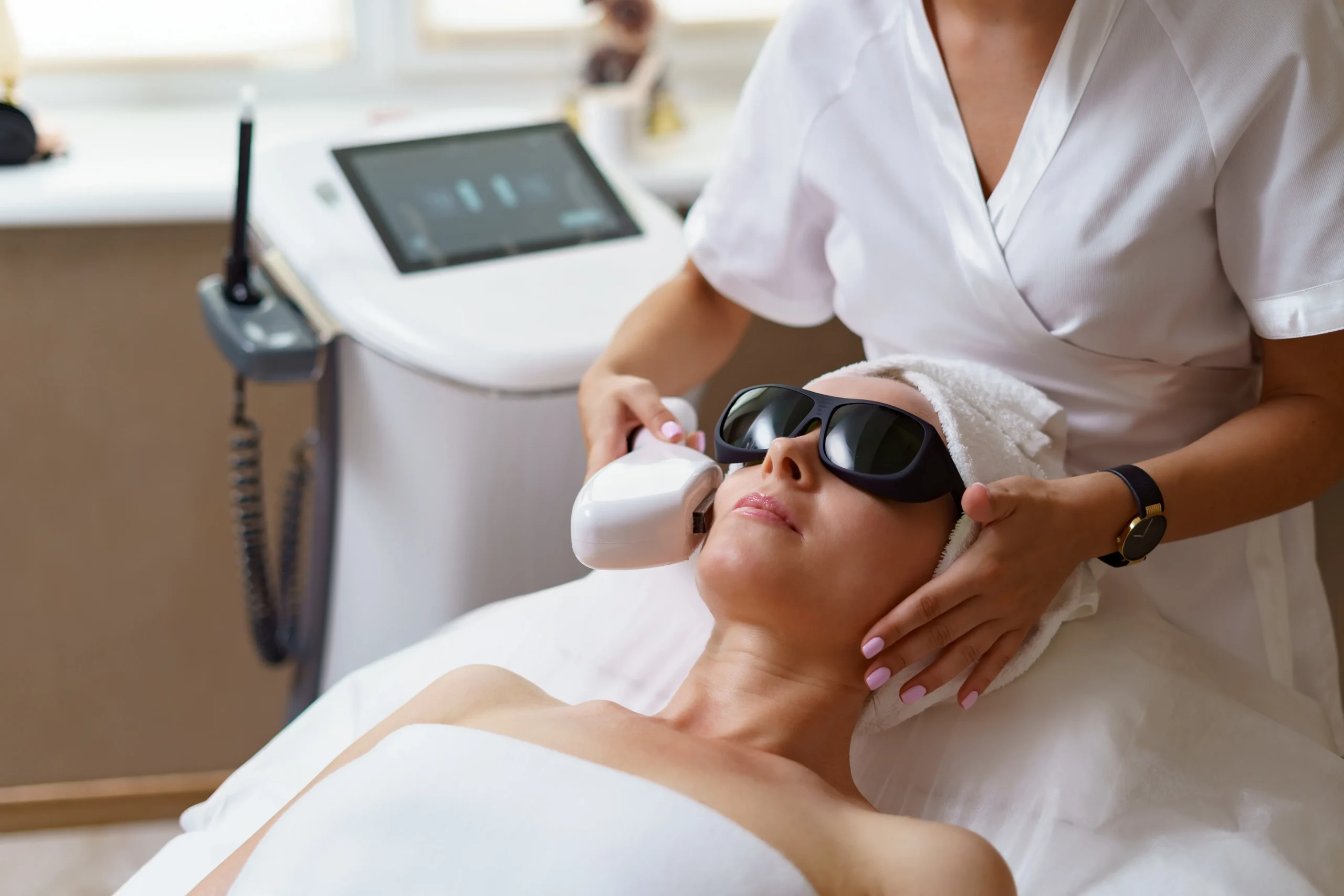
    The treatment area is cleaned, and in some cases, trimmed. Protective eyewear is provided to shield your eyes from the laser.
  3. Treatment
    The laser device emits pulses of light that target hair follicles. You may feel a mild snapping sensation, often compared to a rubber band flick.
  4. Post-treatment care
    A soothing gel or cooling pack is applied to reduce redness. Sunscreen is recommended if the treated area is exposed.

Typically, multiple sessions are required because hair grows in cycles. Most individuals need 6–8 sessions spaced a few weeks apart for optimal results.

Laser Hair Removal Cost in Mumbai

One of the most common questions patients have is about laser hair removal cost. The pricing can vary depending on several factors:

  • Size of the treatment area (face, underarms, legs, full body)
  • Number of sessions required
  • Technology used
  • Expertise of the clinic

On average, laser hair removal cost in Mumbai may range from ₹1,500 to ₹10,000 per session, depending on the area treated. Full-body packages are often more cost-effective when compared to individual sessions.

When evaluating laser hair removal cost, it’s important to consider long-term savings. Unlike waxing or shaving, which require repeated expenses, laser hair removal provides a more permanent reduction, making it a worthwhile investment.

Benefits of Laser Hair Removal

Choosing the best laser hair removal in mumbai comes with several advantages:

  • Long-lasting hair reduction
  • Smoother skin with minimal irritation
  • Reduced ingrown hairs
  • Precision targeting without damaging surrounding skin
  • Time-saving compared to traditional methods

Many individuals searching for laser hair removal near me prefer this treatment because it fits seamlessly into their busy schedules while delivering visible results.

Laser Hair Removal Side Effects: Is It Safe?

A common concern is whether there are any laser hair removal side effects. When performed by a qualified dermatologist, the procedure is generally safe and well-tolerated.

Some temporary laser hair removal side effects may include:

  • Mild redness or swelling
  • Slight sensitivity in the treated area
  • Temporary skin irritation

These effects usually subside within a few hours to a couple of days. Serious complications are rare when the procedure is done correctly using appropriate technology.

To minimize laser hair removal side effects, always choose a reputable clinic offering the best laser hair removal in mumbai and follow post-treatment care instructions carefully.

How to Prepare for Your Session

If you are planning to undergo laser hair removal, here are some simple tips:

  • Avoid sun exposure before your session
  • Do not wax or pluck hair for at least 3–4 weeks
  • Shave the area 24 hours before treatment
  • Avoid applying creams, perfumes, or deodorants on the treatment area

These steps help ensure the laser hair removal procedure is effective and safe.

Aftercare Tips for Better Results

Post-treatment care plays an important role in achieving optimal outcomes:

  • Apply sunscreen regularly
  • Avoid hot showers and saunas for 24–48 hours
  • Refrain from waxing between sessions
  • Keep the treated area moisturized

Following these guidelines can enhance your results and reduce the chances of laser hair removal side effects.

Is Laser Hair Removal Right for You?

Laser hair removal is suitable for most individuals, but the results can vary based on skin tone, hair color, and hormonal factors. Consulting a dermatologist is the best way to determine if this treatment is right for you.

If you’ve been searching for laser hair removal near me, choosing a trusted clinic ensures personalized care and better outcomes.

FAQs

1. How many sessions are needed for laser hair removal?

Most people require 6–8 sessions for noticeable and long-lasting results, depending on hair growth patterns.

2. Is laser hair removal painful?

The procedure is generally well-tolerated. Patients may feel a mild snapping sensation, but it is not considered very painful.

3. What is the average laser hair removal cost in Mumbai?

The laser hair removal cost varies based on the treatment area and sessions required, typically ranging from ₹1,500 to ₹10,000 per session.

4. Are there any long-term laser hair removal side effects?

Long-term side effects are rare when performed by qualified professionals. Temporary redness or sensitivity may occur.

5. Can I do laser hair removal on sensitive areas?

Yes, laser hair removal can be safely performed on sensitive areas like the face, bikini line, and underarms under expert supervision.

6. How soon can I see results after laser hair removal?

You may notice a reduction in hair growth after 2–3 sessions, with more significant results over time.

7. How do I choose the best laser hair removal in mumbai?

Look for clinics with experienced dermatologists, advanced technology, and positive patient reviews to ensure safe and effective treatment.

Why Choose Us?

Choose Derma360 as your trusted destination for advanced skin, hair, and nail care. We combine expert dermatological knowledge with a patient-first approach to deliver personalized treatments for acne, pigmentation, hair loss, anti-aging concerns, and more. Our focus is on providing safe, evidence-based solutions using modern technology in a comfortable and caring environment. We believe in clear guidance, transparent communication, and long-term skin health — so you feel confident at every step of your journey.
To learn more or book a consultation, contact us at 9920126628 or visit https://derma360.in/  

Citations

  1. https://www.aad.org/public/cosmetic/hair-removal/laser-hair-removal-overview
  2. https://www.nhs.uk/conditions/cosmetic-procedures/laser-hair-removal/ 
  3. https://www.mayoclinic.org/tests-procedures/laser-hair-removal/about/pac-20384814 

Why Acne Gets Worse in Humid Weather and How to Actually Fix It

Why Acne Gets Worse in Humid Weather and How to Actually Fix It

If you live in Mumbai, you already know the feeling — the moment the humidity hits, your skin starts acting up. What was a manageable breakout becomes a full-blown situation almost overnight. And if you’re in Goregaon, where pollution compounds the moisture load on your skin, the struggle is even more real.


The good news? There’s a clear science-backed reason why acne gets worse in humid weather — and once you understand it, treating it becomes far more straightforward. At Derma360, we see this pattern repeatedly with patients who deal with acne and acne scars throughout Mumbai’s long humid season.


Why Humidity Makes Acne Worse

Humid air doesn’t cause acne on its own. But it sets off a perfect storm of conditions that make breakouts more frequent and more severe — especially for those with oily or acne-prone skin.


Here’s what’s happening beneath the surface:


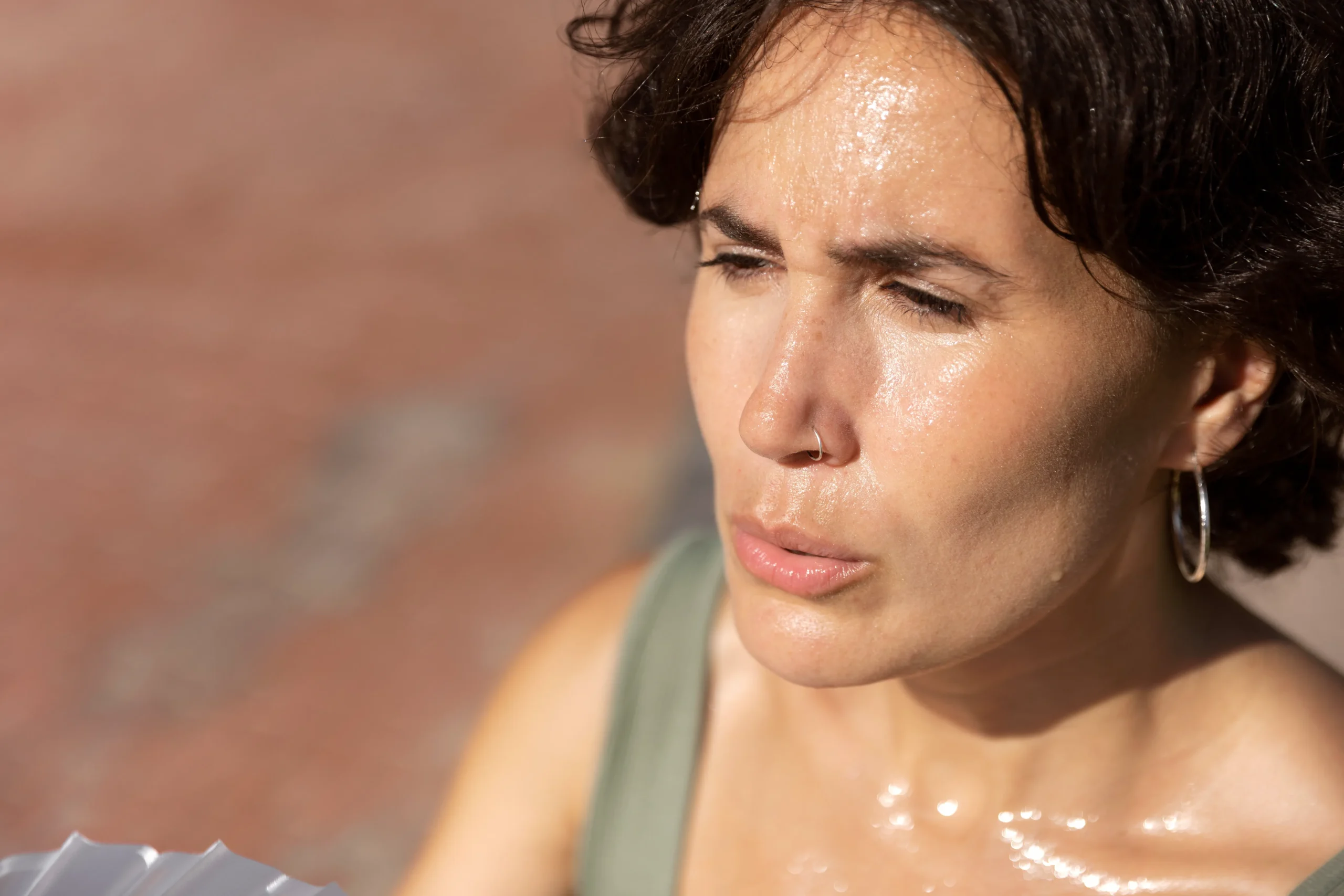
  1. Sebaceous glands go into overdrive When moisture in the air is high, your sebaceous glands produce excess sebum. This oil mixes with sweat, dead skin cells, and environmental pollutants — and the result is clogged pores. Clogged pores are the starting point of every pimple.


  1. Sweat disrupts the skin barrier Sweat itself isn’t the villain, but persistent sweating in Mumbai’s climate weakens your skin barrier. A disrupted barrier invites bacteria — specifically a bacterial infection caused by C. acnes — to thrive, triggering inflammation and pus-filled breakouts.


  1. Heavy products seal in the problem Many people instinctively reach for thick moisturizers or heavy sunscreens in summer. In humid weather, these products sit on top of the skin rather than absorbing, effectively sealing in oil and bacteria. This is one of the most common — and fixable — skincare mistakes during pimples in monsoon season.


  1. Pollution + humidity = a double hit Goregaon, like much of Mumbai, deals with significant air pollution. Particulate matter settles on skin already coated in oil and sweat, adding another layer of pore-clogging material. This is why your acne may be noticeably worse after a day spent outdoors in heavy traffic.


What Actually Works: A Humidity-Smart Skincare Routine

Managing acne in humid weather isn’t about doing more — it’s about doing the right things consistently.


Cleanse right, not more Use a gentle, pH-balanced face wash with salicylic acid (BHA) twice daily. BHA is oil-soluble, meaning it penetrates the pore lining to dissolve buildup — making it ideal for oily skin in tropical climates. Avoid washing more than twice a day; over-cleansing triggers even more oil production.


Switch to lightweight, non-comedogenic products This is non-negotiable. Every product in your routine — moisturizer, sunscreen, serum — should be labeled non-comedogenic. Gel-based or water-based formulas are your best friends in Mumbai’s humidity. Heavy creams are not.


Sunscreen is still mandatory A common mistake is skipping SPF because it feels heavy. Switch to a mattifying or fluid SPF 50 specifically formulated for oily, acne-prone skin. Sun exposure without protection worsens post-acne marks and drives more hyperpigmentation.


Exfoliate — but gently Once or twice a week, a mild chemical exfoliant helps shed dead skin cells before they clog pores. Avoid harsh physical scrubs, which can micro-tear the skin and worsen active acne. Professional chemical peels done under expert supervision are a far more effective and controlled option for oily skin treatment in Mumbai’s climate.


Don’t touch your face — especially outdoors Your hands carry bacteria and pollution particles. In humid weather, where pores are already open and vulnerable, touching your face is one of the fastest ways to spread breakouts.


When Home Remedies Aren’t Enough

If you’ve been consistent with your skincare routine for 6–8 weeks and breakouts are still frequent, painful, or leaving dark marks — it’s time to see a dermatologist in Goregaon.


Over-the-counter products can manage mild acne, but moderate to severe acne often requires prescription-grade acne treatment in Mumbai. A dermatologist can assess your specific skin type, hormonal factors, and lifestyle to recommend the right combination of topicals, oral medications, or in-clinic procedures.


For deeper concerns, our skin treatments at Derma360 include targeted solutions like chemical peels, hydrafacials, and pigmentation treatments for the dark marks acne leaves behind — all evidence-based and tailored to Mumbai’s climate demands.


Your Skin Deserves Expert Care

Living with recurring breakouts isn’t something you should simply get used to. Whether it’s seasonal flare-ups during the monsoon or persistent year-round acne, the right treatment — guided by a professional — makes a lasting difference.


To book a consultation at our skin clinic in Goregaon, contact Derma360 at 9920126628 or book your appointment here.


FAQs: Acne in Humid Weather

Q1. Why does my acne always get worse during Mumbai’s monsoon?

Humidity spikes oil production, promotes bacterial growth, and clogs pores — especially when combined with sweat and pollution. It’s a very common pattern for oily or acne-prone skin in coastal cities.


Q2. Should I stop moisturizing if my skin is oily in humid weather?

No — skipping moisturizer triggers even more oil production. Switch to a lightweight, oil-free, non-comedogenic gel formula instead.


Q3. How many times should I wash my face in humid weather?

Twice a day is ideal. Over-washing strips natural oils and worsens acne. A plain water rinse after heavy sweating is fine.


Q4. Can diet make humidity-related acne worse?

Yes. High-glycaemic foods spike insulin and increase sebum. Cutting back on sugary and processed foods and staying hydrated can reduce breakout frequency noticeably.


Q5. What ingredients should I look for in skincare for acne in humid weather?

Salicylic acid, niacinamide, benzoyl peroxide, and zinc. Avoid occlusive ingredients like mineral oil, lanolin, or coconut oil.


Q6. Is acne in humid weather a sign of a deeper skin problem?

Not always. But if breakouts are cystic, painful, or leaving scars, see a dermatologist to rule out hormonal or other underlying causes.


Citations

  1. American Academy of Dermatology — Acne: Overview and Treatment https://www.aad.org/public/diseases/acne
  2. Journal of the European Academy of Dermatology and Venereology — Humidity and acne pathogenesis https://onlinelibrary.wiley.com/journal/14683083
  3. Indian Journal of Dermatology — Climate-related dermatological concerns in India https://www.e-ijd.org/
  4. National Library of Medicine (PubMed) — Sebaceous gland activity and environmental factors https://pubmed.ncbi.nlm.nih.gov/
  5. DermNet NZ — Acne Vulgaris: Causes and Triggers https://dermnetnz.org/topics/acne

HIFU vs. RF Treatment for Skin Tightening: Which Is Best for Indian Skin Types?

HIFU vs. RF Treatment for Skin Tightening: Which Is Best for Indian Skin Types?

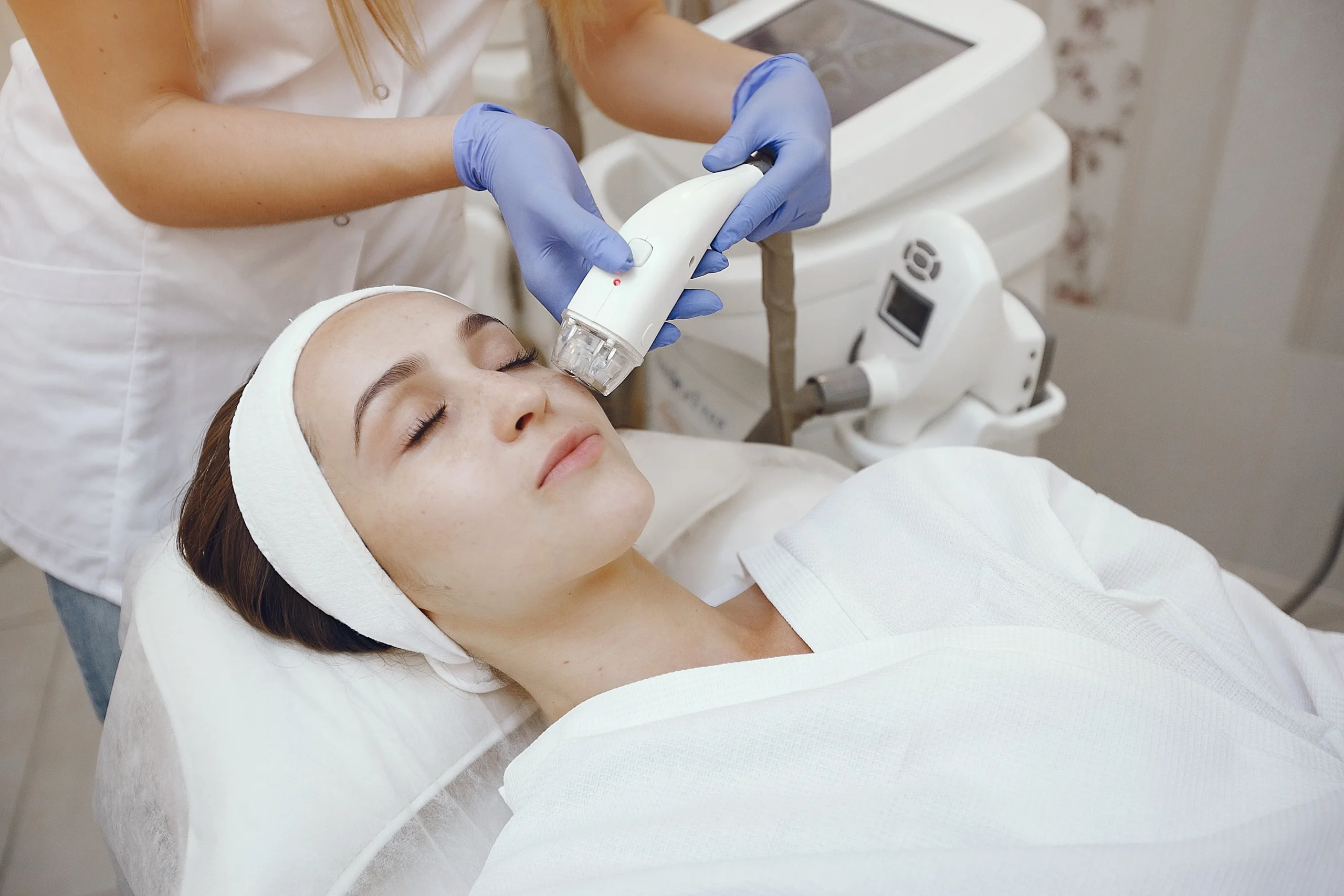
Sagging skin, fine lines, and loss of facial definition are concerns that cut across age groups — and in Mumbai’s climate, where heat and humidity accelerate skin aging, the demand for effective non-surgical solutions has never been higher. Two treatments consistently lead the conversation: HIFU (High-Intensity Focused Ultrasound) and RF (Radiofrequency). Both promise skin tightening without surgery. But they work differently, suit different concerns, and — critically — behave differently on Indian skin tones.


If you are considering a skin tightening treatment in Mumbai and wondering which to choose, this guide breaks it down clearly.


What Is HIFU and How Does It Work?

HIFU treatment uses focused ultrasound energy to penetrate the deepest layers of the skin — including the SMAS layer, the same structural layer addressed in surgical facelifts. The energy creates precise thermal injury points at this depth, which triggers the body’s natural collagen repair response. The result is progressive skin lifting and tightening that develops over 2–3 months after treatment.


Key characteristics of HIFU:


  • Works at depths of 1.5mm to 4.5mm, reaching the foundational support layer of the skin
  • Particularly effective for lifting the jawline, brow, neck, and mid-face
  • Results are gradual and long-lasting — typically 12–18 months from a single session
  • Little to no downtime; mild redness or tenderness may occur for a day or two
  • Not suitable for very thin skin or active skin infections


What Is RF (Radiofrequency) Treatment and How Does It Work?

Radiofrequency treatment delivers electrical energy to heat the dermis (mid-layer of the skin) to temperatures between 40–45°C. This controlled heating tightens existing collagen fibres and stimulates new collagen production. Unlike HIFU, RF works primarily in the superficial to mid-dermis and is excellent for improving overall skin texture, reducing fine lines, and providing mild to moderate tightening.


Key characteristics of RF:


  • Works at shallower depths compared to HIFU — targets the dermis rather than the SMAS
  • Better suited for skin texture improvement, pore tightening, and mild laxity
  • Results require multiple sessions (typically 4–6) and maintenance treatments
  • Comfortable procedure with minimal downtime; skin may appear flushed briefly
  • Works well in combination with other treatments


HIFU vs RF: A Direct Comparison

Parameter HIFU RF (Radiofrequency)
Depth of action Deep (SMAS layer, 4.5mm) Superficial to mid-dermis
Primary benefit Lifting + deep tightening Tightening + texture improvement
Sessions required 1 (with annual maintenance) 4–6 sessions
Results timeline 2–3 months post-treatment Gradual across treatment sessions
Downtime Minimal (1–2 days mild redness) Minimal to none
Best for Significant sagging, jowls, neck Early laxity, fine lines, pores
Pain level Mild discomfort, tolerable Warm sensation, generally comfortable
Cost per session Higher (single session) Lower per session, more sessions


Both are part of the range of skin treatments available at Derma360, and the right choice depends on your specific concern and skin assessment.


Which Is Better for Indian Skin Types?

This is the most important question — and the one most blogs skip. Indian skin predominantly falls in the Fitzpatrick scale range of III to V, which means it carries a higher inherent risk of post-inflammatory hyperpigmentation (PIH) with heat-based treatments.


Here is what that means in practice:

HIFU and Indian skin HIFU is generally considered safe for Indian skin tones. Because the ultrasound energy bypasses the surface of the skin entirely and targets deep layers, there is minimal risk of surface heating that causes pigmentation changes. For patients concerned about skin tightening for Indian skin without the risk of PIH, HIFU is typically the preferred option. It is also well-suited for Mumbai’s climate because it does not create open wounds or surface disruption that sweat and humidity could aggravate.

RF and Indian skin Standard RF treatments are also safe for Indian skin, but the risk profile depends on the device and settings used. Poorly calibrated RF can cause superficial burns or trigger hyperpigmentation in darker skin tones if administered incorrectly. When performed by an experienced dermatologist in Goregaon using appropriate protocols, RF is effective and safe. The key is expert administration — not the technology itself.


The risk to avoid Aggressive heat-based treatments performed without proper Fitzpatrick assessment can worsen pigmentation treatments concerns rather than resolve them. This is why a thorough skin consultation before choosing any non-surgical skin tightening treatment in Mumbai is not optional — it is essential.


Which Should You Choose?

Choose HIFU if you:

  • Have visible sagging, jowl formation, or neck laxity
  • Want a single-session solution with long-lasting results
  • Are concerned about pigmentation risk on Indian skin
  • Want a non-surgical facelift alternative with no downtime


Choose RF if you:

  • Have early-stage skin laxity or primarily want texture and pore improvement
  • Are comfortable with a multi-session treatment plan
  • Want to combine it with other treatments like mesotherapy or PRP for facial rejuvenation for a comprehensive result
  • Have a lower budget per session


For many patients, the best outcome comes from a combination approach — HIFU for structural lifting and RF or complementary treatments for surface-level skin quality. A consultation with a qualified professional will always give you a clearer picture than a general guide.

If you are unsure which treatment fits your skin concerns, laser toning is another option worth exploring for patients whose primary concern is uneven tone alongside mild laxity.


Get a Personalised Assessment at Derma360

Every skin type responds differently to treatment. What works for one patient may not be the right fit for another — especially when skin tone, depth of concern, and lifestyle factors like Mumbai’s heat and humidity all play a role.

At Derma360, our experienced team assesses your skin thoroughly before recommending any anti-aging treatment in Goregaon. Whether you are the right candidate for HIFU, RF, or a combination approach, you will receive a clear, evidence-based treatment plan — not a one-size-fits-all solution.

To book your consultation at our skin clinic in Goregaon, call 9920126628 or book your appointment here.


FAQs: HIFU vs RF for Skin Tightening


Q1. Is HIFU or RF better for skin tightening in Mumbai’s climate?

HIFU is generally preferred in humid climates like Mumbai’s as it has no surface disruption, reducing the risk of post-treatment infection or pigmentation triggered by sweat and heat.


Q2. How many sessions of RF are needed to see results?

Most patients require 4–6 sessions spaced 2–4 weeks apart, followed by maintenance treatments every 6–12 months.


Q3. Is HIFU safe for darker Indian skin tones?

Yes. HIFU bypasses the skin surface entirely, making it one of the safest skin tightening options for Fitzpatrick III–V skin tones.


Q4. Can HIFU and RF be done together?

Yes, they can be combined in a phased plan. HIFU addresses deep structural lifting while RF improves superficial texture — together they deliver more comprehensive results.


Q5. How long do HIFU results last?

Results from a single HIFU session typically last 12–18 months, after which a maintenance session is recommended.


Q6. What is the downtime for HIFU vs RF?

Both have minimal downtime. HIFU may cause mild tenderness or redness for 1–2 days. RF typically causes brief flushing that resolves within hours.


Citations

  1. American Academy of Dermatology — Non-Surgical Skin Tightening https://www.aad.org/public/cosmetic/younger-looking/ultrasound-skin-tightening
  2. Journal of Clinical and Aesthetic Dermatology — HIFU for Facial Lifting https://jcadonline.com/
  3. Indian Journal of Dermatology, Venereology and Leprology — Radiofrequency in Indian Skin https://ijdvl.com/
  4. DermNet NZ — Radiofrequency Skin Treatments https://dermnetnz.org/topics/radiofrequency-skin-treatments
  5. National Library of Medicine (PubMed) — Collagen Remodeling with HIFU and RF https://pubmed.ncbi.nlm.nih.gov/

Hair Loss: Causes & Treatment

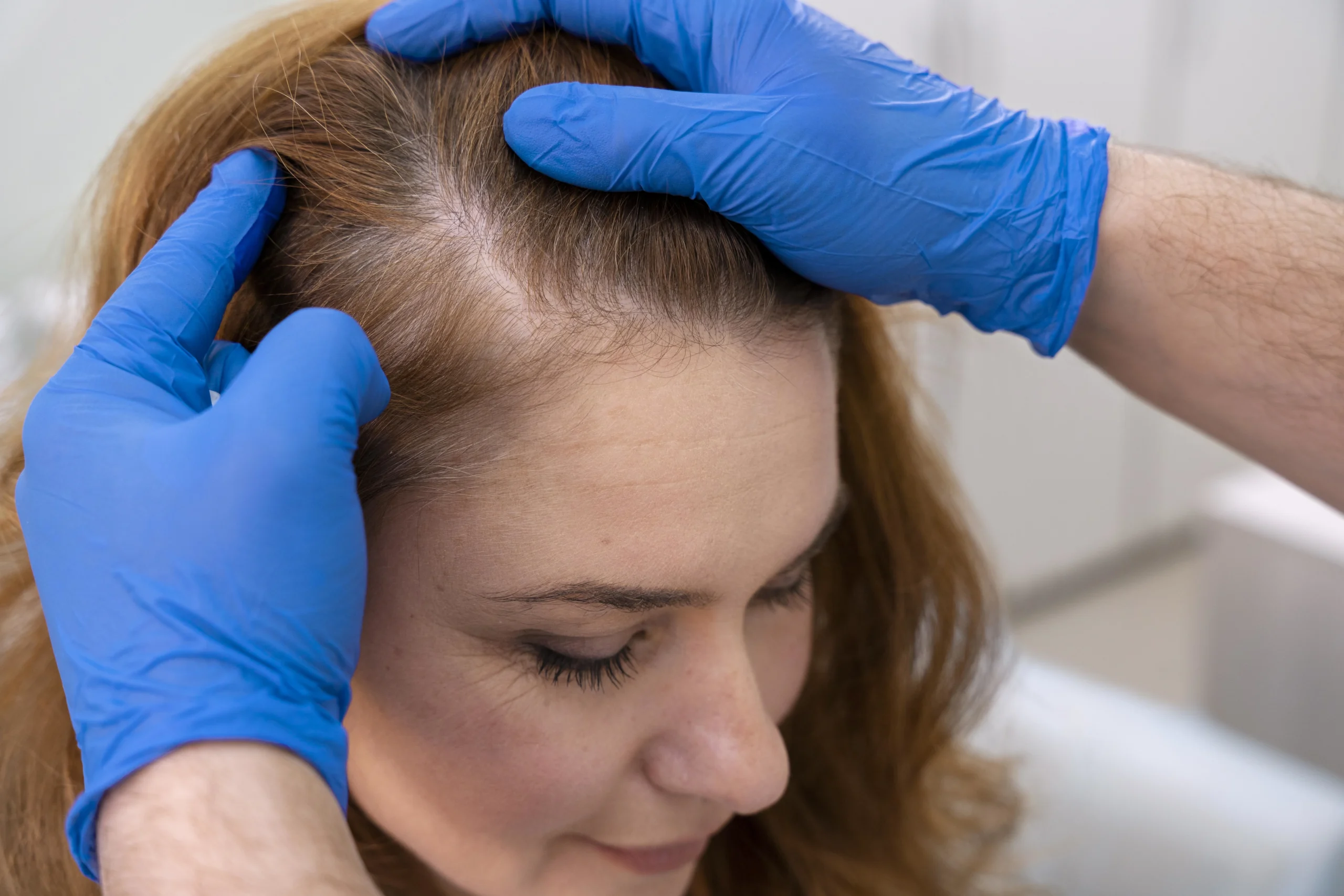
Hair loss is one of the most common concerns seen in dermatology clinics today. While losing 50–100 strands daily is normal, noticeable thinning, widening of the hair part, or bald patches can be distressing. If you are experiencing hair loss, you are not alone. With the right diagnosis and timely hair loss treatment, most cases can be effectively managed.

Understanding the underlying hair loss causes is the first step toward regaining healthy hair. In this blog, we explain the common reasons for hair loss, available treatment options, and when to consult a dermatologist.

Understanding Hair Loss

Hair grows in cycles — growth (anagen), transition (catagen), and resting (telogen). Disruption in this cycle can lead to excessive shedding or thinning. Hair loss may be temporary or permanent depending on the condition.

Many people search for reasons for hair loss when they notice increased hair fall during combing or washing. However, the actual hair loss causes vary from person to person and require clinical evaluation for accurate diagnosis.

Common Hair Loss Causes

Identifying hair loss causes is essential before starting any hair loss treatment. Below are the most common reasons for hair loss:

1. Genetic Factors (Androgenetic Alopecia)

One of the leading hair loss causes in both men and women is hereditary hair thinning. Male and female pattern baldness typically develop gradually and may worsen over time. Genetic predisposition remains one of the primary reasons for hair loss worldwide.

2. Hormonal Imbalance

Hormonal fluctuations due to thyroid disorders, PCOS, pregnancy, or menopause can significantly contribute to hair loss. Hormonal imbalance is among the most frequent reasons for hair loss in women.

3. Nutritional Deficiencies

Low levels of iron, vitamin D, vitamin B12, and protein are important hair loss causes. Poor nutrition affects hair growth and can result in increased shedding.

4. Stress and Illness

Physical or emotional stress can trigger telogen effluvium — a temporary form of hair loss. Severe infections, surgery, or high fever are also known reasons for hair loss.

5. Scalp Conditions

Dandruff, fungal infections, psoriasis, or inflammatory scalp disorders can damage hair follicles. These scalp-related hair loss causes require medical evaluation and targeted hair loss treatment.

6. Medical Conditions and Medications

Autoimmune disorders such as alopecia areata and certain medications (chemotherapy drugs, blood thinners, antidepressants) are recognized hair loss causes. In such cases, identifying the root cause is essential before planning treatment.

When Should You See a Dermatologist?

If you notice persistent hair loss for more than three months, sudden patchy bald spots, or rapid thinning, consult a dermatologist. Early diagnosis improves the success of hair loss treatment. A dermatologist may recommend blood tests, scalp examination, or dermoscopy to evaluate the exact reasons for hair loss.

Hair Loss Treatment Options

The right hair loss treatment depends on the diagnosis. At Derma360, treatment is tailored according to individual hair loss causes and scalp condition.

1. Medical Treatment

Prescription medications such as topical minoxidil and oral medications are commonly used hair loss treatment options. These help stimulate hair follicles and slow down further thinning.

2. PRP Therapy (Platelet-Rich Plasma)

PRP is a popular hair loss treatment that uses the patient’s own blood platelets to stimulate hair growth. It improves follicle strength and thickness over time.

3. Mesotherapy

This minimally invasive hair loss treatment involves injecting vitamins and nutrients into the scalp to nourish hair roots.

4. Low-Level Laser Therapy

Laser therapy improves blood circulation in the scalp and supports hair regrowth in selected cases of hair loss.

5. Nutritional Correction

Correcting deficiencies is a vital part of hair loss treatment. Supplements may be prescribed after identifying hair loss causes related to nutrition.

6. Lifestyle and Scalp Care

Managing stress, maintaining a balanced diet, and proper scalp hygiene play an important role in reducing hair loss. Avoiding excessive heat styling and harsh chemical treatments can also help.

Can Hair Regrow After Hair Loss?

In many cases, hair loss caused by stress, nutritional deficiency, or hormonal imbalance can be reversed with timely hair loss treatment. However, genetic hair thinning may require long-term management.

Since the reasons for hair loss differ in each individual, professional consultation is essential. Self-medication without understanding hair loss causes may delay appropriate care.

Prevention Tips

  • Eat a protein-rich balanced diet
    • Manage stress through exercise and sleep
    • Avoid tight hairstyles
    • Treat scalp infections early
    • Follow dermatologist-recommended hair loss treatment

Preventive care plays a significant role in controlling hair loss and maintaining scalp health.

Frequently Asked Questions (FAQs)

1. What are the most common hair loss causes?

The most common hair loss causes include genetics, hormonal imbalance, nutritional deficiencies, stress, and scalp infections.

2. Is hair loss reversible?

Some types of hair loss are reversible, especially those caused by stress or nutritional issues. Early hair loss treatment improves outcomes.

3. How long does hair loss treatment take to show results?

Most hair loss treatment options take 3–6 months to show visible improvement.

4. What are the main reasons for hair loss in women?

Hormonal imbalance, PCOS, thyroid disorders, and iron deficiency are common reasons for hair loss in women.

5. Can stress cause hair loss?

Yes, stress is one of the major reasons for hair loss and can trigger temporary shedding.

6. When should I consult a dermatologist?

If hair loss persists for more than three months or you notice sudden thinning or bald patches, consult a dermatologist.

Why Choose Us?

Choose Derma360 as your trusted destination for advanced skin, hair, and nail care. We combine expert dermatological knowledge with a patient-first approach to deliver personalized treatments for acne, pigmentation, hair loss, anti-aging concerns, and more. Our focus is on providing safe, evidence-based solutions using modern technology in a comfortable and caring environment. We believe in clear guidance, transparent communication, and long-term skin health — so you feel confident at every step of your journey.
To learn more or book a consultation, contact us at 9920126628 or visit https://derma360.in/

Citations

American Academy of Dermatology Association – Hair Loss Overview
https://www.aad.org/public/diseases/hair-loss

Mayo Clinic – Hair Loss Causes and Treatment
https://www.mayoclinic.org/diseases-conditions/hair-loss 

Acne and Acne Scar Treatment: What Really Works

Acne and Acne Scar Treatment: What Really Works

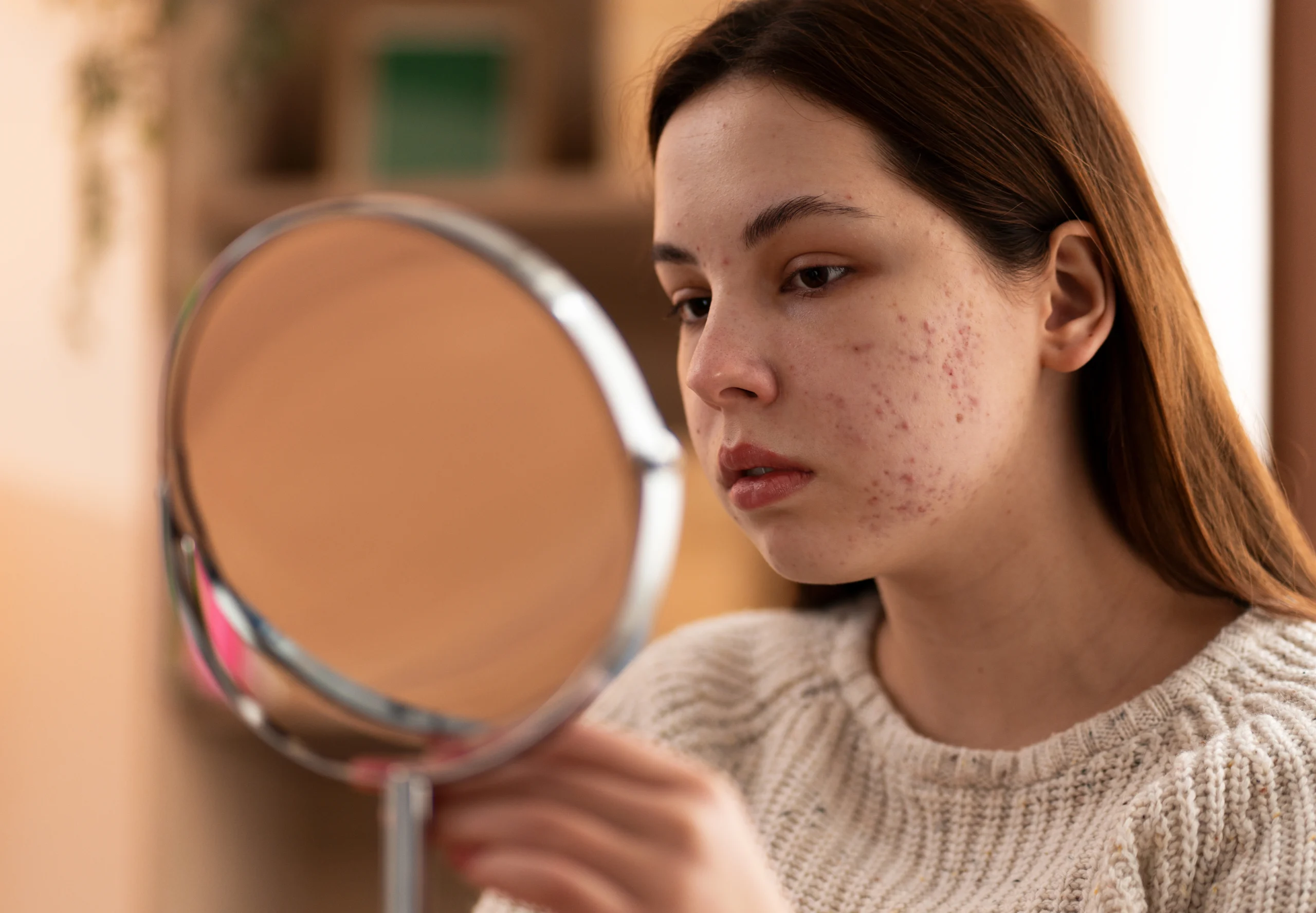
Acne is one of the most common skin concerns affecting teenagers and adults alike. While many people believe it is just a temporary phase, acne can have lasting effects on both the skin and self-confidence. For some, the breakouts fade with time. For others, acne scars remain long after the active lesions have healed. Understanding what truly works for acne and acne scars is the first step toward clearer, healthier skin.

Understanding Acne and Its Root Causes

Acne develops when hair follicles become clogged with oil (sebum), dead skin cells, and bacteria. Hormonal fluctuations, stress, diet, genetics, and improper skincare habits can all contribute to breakouts. The Causes of acne often vary from person to person, which is why treatment must be tailored individually.

Common Causes of acne include:

  • Excess oil production
  • Hormonal changes during puberty, pregnancy, or PCOS
  • Use of comedogenic skincare products
  • Bacterial growth in clogged pores
  • Genetic predisposition

Identifying the causes of acne is essential because treating only the surface symptoms may not provide long-term relief. At a dermatology clinic, a detailed evaluation helps determine the specific causes of acne in each patient.

Types of Acne

Acne can appear in different forms, including whiteheads, blackheads, papules, pustules, nodules, and cysts. Mild acne may consist of occasional breakouts, while moderate to severe acne can involve painful cystic lesions. Severe cases increase the risk of permanent acne scars, especially if lesions are picked or squeezed.

Early intervention is crucial. The longer acne persists, the greater the chances of developing acne scars that require more advanced procedures to treat.

What Causes Acne Scars?

Acne scars develop when inflammation from acne damages the deeper layers of the skin. When the body attempts to repair this damage, it may produce too much or too little collagen. This leads to either depressed scars (atrophic acne scars) or raised scars (hypertrophic acne scars).

Repeated or untreated acne significantly increases the likelihood of acne scars. Deep cystic breakouts are particularly associated with long-lasting acne scars. Addressing acne promptly reduces the risk of permanent skin texture changes.

Effective Acne Treatment Options

There is no one-size-fits-all Acne treatment. The right approach depends on the severity of acne, skin type, and underlying Causes of acne.

1. Topical Treatments

Prescription creams and gels containing retinoids, benzoyl peroxide, or antibiotics are commonly used as first-line Acne treatment. These help reduce inflammation, unclog pores, and prevent new acne from forming.

2. Oral Medications

For moderate to severe acne, oral antibiotics or isotretinoin may be recommended. These treatments target deeper inflammation and control oil production.

3. Chemical Peels

Medical-grade chemical peels exfoliate the skin and reduce active acne while improving mild acne scars. They help remove dead skin cells and promote collagen production.

4. Laser and Light Therapies

Laser treatments are effective for both active acne and acne scars. They reduce bacteria, minimize inflammation, and stimulate collagen remodeling for smoother skin.

5. PRP and Microneedling

Microneedling combined with PRP is widely used to improve acne scars. It stimulates natural collagen production and gradually reduces the appearance of acne scars over multiple sessions.

Professional Acne treatment focuses not only on clearing current breakouts but also on preventing recurrence and minimizing long-term damage.

What Really Works for Acne Scars?

Treating acne scars requires a customized approach based on scar type and severity.

Microneedling

Microneedling is highly effective for atrophic acne scars. It creates micro-injuries in the skin that trigger collagen production, improving skin texture over time.

Fractional Laser Resurfacing

Laser resurfacing helps remodel damaged tissue and significantly reduces acne scars. It is particularly beneficial for deeper scars.

Dermal Fillers

Temporary fillers can be used for specific types of acne scars to create a smoother appearance.

Because acne scars differ in depth and structure, a combination approach often provides the best results.

Can Acne and Acne Scars Be Prevented?

Prevention plays a major role in long-term skin health. Since the Causes of acne often involve hormones and genetics, complete prevention may not always be possible. However, early Acne treatment significantly lowers the risk of acne scars.

Tips to prevent acne scars:

  • Avoid picking or squeezing acne
  • Seek early dermatological care
  • Follow a prescribed Acne treatment plan consistently
  • Use sunscreen daily to prevent darkening of acne scars

Consistent medical care reduces the severity of acne and minimizes permanent skin damage.

When Should You See a Dermatologist?

If acne is painful, persistent, or leaving marks, it is time to consult a specialist. Over-the-counter products may help mild cases, but moderate to severe acne requires professional Acne treatment. Early medical care prevents worsening acne scars and addresses the underlying Causes of acne effectively.

FAQs

  1. Can acne go away on its own?

    Mild acne may improve over time, but persistent or severe acne often requires professional evaluation to prevent acne scars.

  2. Are acne scars permanent?

    Many acne scars can be significantly improved with treatments like microneedling, lasers, and chemical peels.

  3. What is the best Acne treatment for severe acne?

    Oral medications such as isotretinoin are often recommended for severe acne under medical supervision.

  4. How long does it take to see results from Acne treatment?

    Most Acne treatment plans show improvement within 6 to 8 weeks, though results vary depending on severity.

  5. Do chemical peels help acne scars?

    Yes, certain medical peels can reduce superficial acne scars and improve skin texture.

  6. Is laser safe for acne scars?

    When performed by a qualified dermatologist, laser treatments are safe and effective for reducing acne scars.

  7. Can hormonal imbalance cause acne?

    Yes, hormonal changes are among the common Causes of acne, especially in women.

Why Choose Us?

Choose Derma360 as your trusted destination for advanced skin, hair, and nail care. We combine expert dermatological knowledge with a patient-first approach to deliver personalized treatments for acne, pigmentation, hair loss, anti-aging concerns, and more. Our focus is on providing safe, evidence-based solutions using modern technology in a comfortable and caring environment. We believe in clear guidance, transparent communication, and long-term skin health — so you feel confident at every step of your journey. To learn more or book a consultation, contact us at 9920126628 or visit https://derma360.in/

Citations

  1. American Academy of Dermatology Association – Acne: Overview, Causes & Treatment
    https://www.aad.org/public/diseases/acne
  2. Mayo Clinic – Acne Symptoms and Causes
    https://www.mayoclinic.org/diseases-conditions/acne 
  3. American Academy of Dermatology – Acne Scars: Diagnosis and Treatment
    https://www.aad.org/public/diseases/acne/derm-treat/scars